
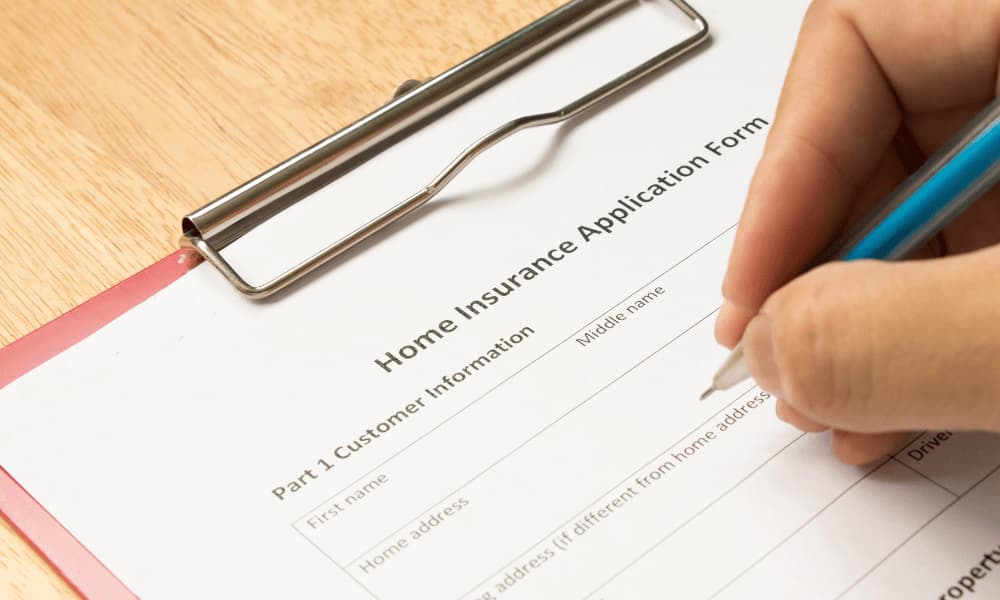
Use this 20-minute insurance policy review to compare renewal terms, spot coverage gaps, and decide what needs attention before your next policy period begins.
Key takeaways:
- Review the coverage you are renewing, not just the premium you will pay.
- An insurance policy renewal may change your price, coverage, deductibles, discounts, or terms.
- Use 20 minutes to flag changes and questions. Complex coverage decisions may need a follow-up conversation.
- New drivers, roommates, renovations, valuables, delivery work, or home-based work can affect your coverage.
- The goal isn’t to switch every year. It’s to know whether your policy still fits.
Your insurance renewal arrives. You check the price, note the due date, and move on. But a familiar-looking notice can come with different deductibles, coverage limits, or exclusions.
A renewal is a chance to check whether your policy still fits your household. The driver you added, the kitchen you renovated, or the delivery work you started can matter more than a small change in price.
The National Association of Insurance Commissioners explains that endorsements change policy terms and can be issued at renewal. Read those changes alongside the bill.
At NICRIS, we recommend using the review below to identify what needs a closer look. Keep a short action list as you go: what changed, what you need clarified, and when you need an answer.
Let’s take a closer look at your renewal. Contact us, get a quote, or call (516) 544-0006 to discuss your coverage.
What Is an Insurance Policy Renewal Notice?
An insurance renewal notice outlines the terms your insurer is offering for the next policy period. The renewal package may include your premium, payment deadline, coverage limits, deductibles, and notices of changes.
Compare your current and renewal declarations pages, which summarize key policy details. Then read the accompanying endorsements and exclusions; the summary page does not explain every condition of coverage.
A cancellation or nonrenewal notice is different from a renewal offer. If you receive one, contact us promptly about its effective date and your options for keeping coverage in place.
How Often Should You Review Your Insurance Policies?
Review your insurance at every renewal, even if the premium barely changes. Start when the renewal documents arrive so you have time to ask questions, request changes, or compare options before the deadline.
Between renewals, tell us about changes that could affect your coverage, including:
- A new driver or vehicle.
- A move or roommate change.
- A home renovation.
- A valuable purchase.
- Home-based work, delivery work, or rideshare use.
- A change in your ability to pay a deductible.
Before the Clock Starts: Gather the Right Documents
Have your current and renewal declarations pages, renewal notices, and policy endorsements ready. Add your driver and vehicle details, home or apartment updates, and any lease or lender insurance requirements.
Open a note with three headings: changed, unclear, and follow up. This 20-minute review is a first pass through your coverage, not a promise that every question can be resolved before the timer ends.
Minutes 0–3: Read What Changed
Compare the current and proposed policy terms side by side. A similar premium does not guarantee similar protection. Check these five areas:
- Policy dates and total premium: compare the same term length and check payment fees, not just the monthly installment.
- Coverage limits and deductibles: highlight increases, decreases, and any newly separate deductible.
- Endorsements and exclusions: identify coverage added, restricted, or removed, including changes to how losses are valued.
- Discounts: note anything added, reduced, or removed, and whether you must provide updated proof of eligibility.
- Insured details: verify people, vehicles, property addresses, and lenders rather than assuming last year’s information is still accurate.
Ask us: what changed, why did it change, and how could it affect a claim? If a coverage term is unclear, request a plain-language explanation and the policy provision that answers your question.
Minutes 3–7: Update the People, Property, and Uses
For auto insurance, confirm who drives, annual mileage, where each vehicle is kept, and whether it is used for commuting, deliveries, or rideshare work. Describe actual use so we can check the policy’s requirements.
For renters, ask who qualifies as an insured under the policy. Sharing an address or lease does not automatically mean a roommate’s belongings or liability are covered.
Our guide to roommates and renters insurance explains why household changes deserve a coverage check. Tell us when someone moves in or out, or when your living arrangement changes.
For homeowners, confirm that your insurer has accurate information about:
- Renovations, roof work, solar, plumbing, or electrical updates.
- New valuables, pets, pools, watercraft, or changes in how you host guests.
- Home-based work, paying guests, short-term rentals, or other income-producing uses. Do not assume personal coverage automatically extends to them.
Minutes 7–10: Recheck Coverage Against Today’s Risk
A coverage limit is the most a policy will pay for a covered loss, subject to its terms. During renewal, compare those limits with what you could lose and what you could afford to pay yourself.
For auto insurance, review liability, collision, comprehensive, personal injury protection (no-fault), and uninsured or supplementary uninsured/underinsured motorist coverage.
Also check rental reimbursement, roadside assistance, and any loan or lease gap protection. Ask what each option pays for, its limits, and whether you already have comparable protection elsewhere.
New York’s minimum property-damage liability limit is $10,000 per accident, according to the New York State Department of Financial Services. That is only one part of the state’s required auto coverage.
If you caused $30,000 in covered damage to another vehicle, a $10,000 property-damage limit could leave $20,000 beyond that coverage. This hypothetical shows why legal minimums are not a personal coverage recommendation.
Our guide to auto insurance in New York explains how to compare options. Ask us to quote different liability limits so you can weigh the additional premium against the protection offered.
For home insurance, review the cost of rebuilding and the way covered losses would be paid:
- Dwelling coverage: ask whether the rebuilding estimate reflects current labor, materials, and renovations. A sale price or mortgage balance is not a rebuilding estimate.
- Belongings and living expenses: check replacement cost versus depreciated value, plus limits on extra expenses if a covered loss makes your home unlivable.
- Other protection: review liability, detached structures, valuables, water backup, and the cost of meeting current building codes after covered damage.
Our guide to New York home insurance myths explains why a large headline limit does not mean every loss is covered. Ask how exclusions, smaller category limits, and settlement terms apply.
For renters insurance, total the cost of replacing your belongings room by room. Check liability, additional living expenses, who is insured, and lease requirements.
A landlord’s building policy generally does not insure your possessions. Ask whether your own belongings would be valued at replacement cost or depreciated value after a covered loss.
Minutes 10–13: Run the Deductible Stress Test
A deductible is the portion of a covered loss you are responsible for under the policy. Test each deductible against available savings: could you absorb that amount tomorrow without missing essential bills?
Check collision and comprehensive deductibles separately. For property coverage, ask whether a separate wind or hurricane deductible applies and what event triggers it.
Some hurricane deductibles are a percentage of the home’s insured value. A 2% deductible on a $500,000 insured dwelling would be $10,000, not 2% of the repair bill. Confirm your policy’s calculation.
For a simple comparison, raising a deductible from $500 to $1,500 adds $1,000 of potential out-of-pocket cost. If it saves $100 a year, ten claim-free years of savings would equal that increase.
Minutes 13–15: Look for Gaps, Overlaps, and Exclusions
A coverage gap can be an excluded event, an inadequate limit, or an activity the policy does not cover. Use the situations below to ask what would pay, what would not, and whether extra protection is available:
- Flood or earthquake damage: do not assume a standard home or renters policy covers either. Ask whether separate coverage is needed.
- Water backup, service lines, or equipment breakdown: check whether you have the relevant endorsement, its limit, and its deductible.
- Building-code upgrades: ask whether coverage would help with required code improvements after a covered loss, and up to what amount.
- Jewelry, art, tools, electronics, or other valuables: check any special limits and whether individual items need to be listed separately.
- Home-based work: describe business equipment, inventory, and client visits so we can check property and liability protection.
- Delivery, rideshare, or short-term rental use: ask how coverage changes while you are working or hosting paying guests.
- Rental reimbursement, roadside assistance, and gap protection: compare benefits you may already have through another policy, membership, loan, or lease.
- Umbrella liability coverage: ask whether you need higher protection and what underlying home, renters, or auto limits an umbrella insurer would require.
Use our guide to spotting insurance coverage gaps to prioritize questions. Before removing overlapping coverage, compare its limits, exclusions, and eligibility rules; similar names can conceal different benefits.
Minutes 15–17: Recheck Discounts and Policy Coordination
Ask which discounts you qualify for and whether they appear on the renewal. Availability and eligibility vary by insurer and policy. Review:
- Home and auto bundling.
- Renters and auto bundling.
- Alarms, leak detection, or other protective devices.
- Qualifying defensive-driving courses or updated low-mileage eligibility.
- Student, claims-free, loyalty, or multi-vehicle discounts.
- Payment options, paperless billing, or usage-based programs, including their fees, data collection, and possible effect on future premiums.
Compare the total cost of all affected policies over the same period. Moving auto coverage could reduce one premium while removing a discount from your home or renters policy.
Our guide to bundling insurance in New York explains how to compare the combined cost. Keep limits, deductibles, and endorsements consistent so you can see whether the savings change your protection.
Minutes 17–20: Check Claim Readiness and Choose Your Next Step
Finish your renewal review by checking that you could find essential information after a loss. Confirm:
- Accurate names, addresses, and vehicle locations on the policy.
- Correct lender or landlord information and any required insurance documentation.
- Deductible amounts and which events trigger each one.
- An updated home inventory, photos, receipts, and appraisals stored somewhere you could access if your home were damaged.
- Your policy documents, our contact details, and your insurer’s claim-reporting instructions.
Choose your next step based on what the review uncovered:
- Renew as written if everything is accurate and the coverage still fits.
- Update before renewal if a driver, property, use, deductible, discount, or coverage amount needs attention.
- Compare equivalent options if you want alternatives. Match coverage limits, deductibles, endorsements, settlement terms, and policy periods.
If you request changes, obtain confirmation and check their effective date. If you switch insurers, confirm when the new coverage takes effect and coordinate cancellation of the old policy to avoid a gap.
Common Insurance Renewal Mistakes
These renewal shortcuts can make a policy look suitable before you have checked what it actually does:
- Comparing installments instead of total cost: different payment schedules or fees can disguise the real price difference.
- Treating automatic payment as a coverage review: paying on time does not update drivers, property details, or insured activities.
- Accepting a larger deductible without checking savings: a lower premium may leave you responsible for more than you could comfortably pay.
- Assuming a requested change is complete: check the issued documents and effective date rather than relying on the request alone.
- Calling two quotes equivalent because their limits match: exclusions and loss-settlement terms can still differ.
- Skimming past removed discounts or endorsements: find out whether the change affects only the price, the coverage, or both.
A useful renewal review ends with decisions or specific questions. You do not need to switch every year, but you should know why the policy you choose still fits.
Turn Renewal Into a Real Coverage Conversation
Bring us your renewal documents and the questions you flagged. We can help you compare proposed terms, review household changes, and understand how your home, auto, and renters policies work together.
At NICRIS, we help you look beyond the amount due to the coverage behind it. If a limit, deductible, or exclusion is unclear, we can walk through what it means before you decide how to proceed.
Talk with us about your renewal so your next payment follows an informed coverage decision.
Frequently Asked Questions We Hear
1. What is an insurance policy review?
An insurance policy review compares your current needs with your coverage limits, deductibles, exclusions, discounts, and insured details. At renewal, it also identifies changes proposed for the next policy period.
2. How often should I review my insurance?
Review your insurance at every renewal and when your household, property, or vehicle use changes. Contact us about a new driver, move, renovation, valuable purchase, or business activity rather than waiting for the next bill.
3. What should I check during renewal?
Compare current and proposed coverage limits, deductibles, endorsements, exclusions, total premiums, and insured details. Then check that payment deadlines and effective dates allow time to make changes without a coverage gap.
4. Should I renew if the price increased?
A higher premium alone does not tell you whether to renew. Ask why it increased, confirm the coverage still fits, and compare equivalent alternatives if needed. Keep coverage in place while you make that decision.
5. What is the biggest renewal mistake?
The biggest mistake is judging a renewal by price alone. An unchanged premium can still come with a higher deductible, a new exclusion, or outdated household information that needs correcting.