
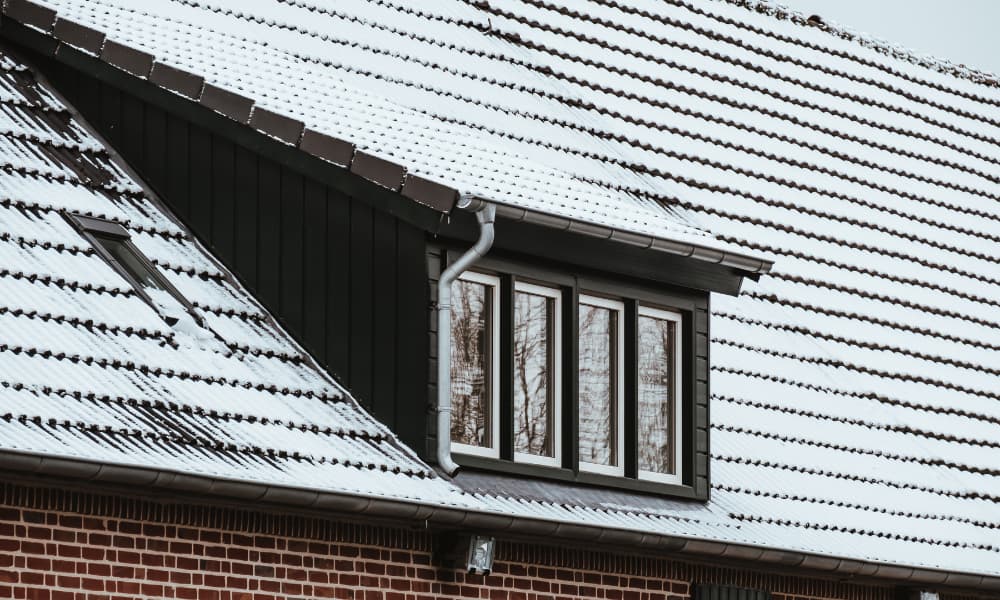
Winter storm home insurance claims may still be on the horizon for many NY homeowners. Here’s what to know to get ready in advance.
Key takeaways:
- NY state faces pronounced winter storm risk.
- Understanding limits and deductibles makes filing claims easier.
- Some common mistakes, like filing too slowly or quickly, can invalidate winter claims.
2025 is over, but when it comes to storm damage insurance, New York homeowners still find themselves in the same position they do every January.
Maybe you caught our earlier blog about minimizing winter’s impact on your home (which is full of protective tips), but for successful storm damage insurance, New York homes need even more guidance.
That’s why, in this article, we’ll explain how to cover yourself against floods, navigate winter storm home insurance claims, and avoid common mistakes that can slow down or invalidate your claim.
(Want to skip the reading and get straight to a New York home insurance quote? Get started here.)
Winter Damage Is a Major Issue for NY Homeowners
New York is infamous for its harsh, snow-heavy winters, and the data is showing that 2026 will be no different.
Each and every wall, corner, and surface of your New York home’s exterior is under extra pressure between December and March, and interiors aren’t completely safe, either.
Even well-maintained homes need the extra layer of protection that comprehensive home insurance provides.
Winter storm home insurance claims are easiest when policyholders clearly understand what they’re covered against before making a claim, preparation that will reduce stress and decrease the time it takes for you to get your home back in order.
Common Types of Winter Storm Damage in New York Homes
Storm damage insurance policyholders in New York most commonly make claims focused on four common areas:
- Wind damage from nor-easters, which range in strength from tearing off roof shingles and house siding to pulling up telegraph poles and trees.
- Damaged electrical systems and other power issues.
- Further roof damage from ice dams, heavy snow, and freeze-thaw cycles.
- Frozen or burst piping due to freezing temperatures, which can lead to significant indoor water damage.
These hazards are typically covered under standard homeowners insurance, with protection provided for:
- Roofs, siding, windows, and detached structures.
- Structural damage or interior water damage caused by snow buildup or ice dams.
- Frozen or burst pipes when damage is sudden and reasonable heat was maintained in the home.
- Replacement or repair of damaged personal belongings caused by covered storm events.
- Additional living expenses (ALE) for hotels, meals, and temporary housing if the home is unsafe to occupy.
However, this list doesn’t cover everything, so the storm damage insurance that your New York home likely needs should be designed to address any and all coverage gaps. (And that’s something we can help you with.)
What Winter Storm Damage Isn’t Covered
Something not covered under standard home insurance is flooding, and NY state homes are more prone to this problem than ever.
Typical coverage won’t protect your home or possessions from overflowing bodies of water, surface water, or snowmelt. For those, you’ll need separate flood insurance.
Sewer or drain backups are two other common winter-storm home insurance claims, as frozen pipes clog. Those have to be endorsed under your policy, or they’ll be entirely out of pocket.
Insurers also won’t pay winter storm home insurance claims if they’re rooted in a pre-existing issue that wasn’t addressed. They’ll see that as neglect (or, at best, deferred maintenance) and deny the claim.
Understanding Deductibles, Limits, and Claim Payments
Deductibles on home insurance are the norm, so you’ll probably pay something out of pocket toward winter storm claims. Sometimes, deductibles are tied to specific events, meaning they apply only in those cases.
These deductibles can be high since they’re usually a percentage of the home’s value.
Winter storm home insurance claims can require a lot of money for repairs and/or replacements, not all of which your insurer may pay at once. You may find that larger claims are paid in stages during ongoing repair work.
Additionally, storm damage insurance in New York limits don’t apply universally. Separate items such as personal property, ALE, and the structure itself will have different caps. Knowing your policy limits helps you work around them while keeping expectations realistic.
Common Mistakes That Delay or Reduce Claim Payouts
You’ll likely want to begin cleanup and disposal immediately after winter storm damage. However, that’s one of the biggest errors when it comes to successful insurance payouts.
Some things should be addressed immediately when making a claim, including anything that creates a safety hazard. Always call professionals and don’t risk damaging yourself or your home.
Beyond that, homeowners must accurately and comprehensively document any damages before cleanup begins so insurers can pay out accordingly.
Permanent repairs should be delayed until they’re authorized by your insurance adjuster, but temporary measures to prevent further damage are recommended.
Some people forget that winter storm home insurance claims have deadlines; another reason they must be documented as quickly as possible.
Speaking with an experienced insurance advisor clarifies when storm damage insurance in New York deadlines are, and what you can expect to be covered for while considering any exclusions.
How to Prepare for Future Winter Claims
Maintenance is key to reducing winter claims risk. Make sure your roof drainage, insulation, and heating systems are in good condition year-round.
Winter is also a great time to review your home insurance policy. This helps confirm coverage limits and which endorsements will affect how your claim is processed.
Homeowners might consider additional measures, such as increased ALE coverage, if there’s no secondary property they can stay at for a while. Likewise, an add-on for sewer backup coverage can help cover the costs of removing standing sewage water on your property and repairing your sewage line (which can expand, contract, and burst in winter).
Emergency winter supplies are a great backup for storm damage insurance in New York, with a good kit consisting of:
- A first-aid kit.
- Flashlights, batteries, and a portable exterior generator.
- Communication essentials like a pre-charged cell phone pack, a radio, and important contact numbers, including emergency services, your insurer, New York’s disaster hotline, and local contractors.
- Warm clothing and bedding.
- Non-perishable foods and bottled water.
Lastly, stay current on weather forecasts for your local NY area via the National Weather Service for a weekly overview of what to expect.
How NICRIS Helps Homeowners Recover After Winter Storms
NICRIS provides perfect clarity on how winter storm home insurance claims work. Our experts can talk you through every step of the process, ensuring that everything is documented accurately and submitted on time.
We can also assess your current home insurance policy to identify any coverage gaps, such as a lack of protection against floods or sewer backups.
Get in touch with us today before the next storm hits, and let’s get 2026 off to a safer start!